



Skip to content

channelers

Immersive VR experience · 25–30 min · Standalone 6DoF · Unreal Engine 5 · Monster Mind Studio production · Directed by Jakub Wróblewski

This project is co-funded by the European Union under the HERIFORGE program and by the Adam Mickiewicz Institute.
HERIFORGE 1st Open Call for immersive technologies for cultural heritage.

Monster Mind StudioHERIFORGEFunded by the European UnionInstytut Adama MickiewiczaMinistry of Culture and National Heritage, Republic of Poland
01 / 03

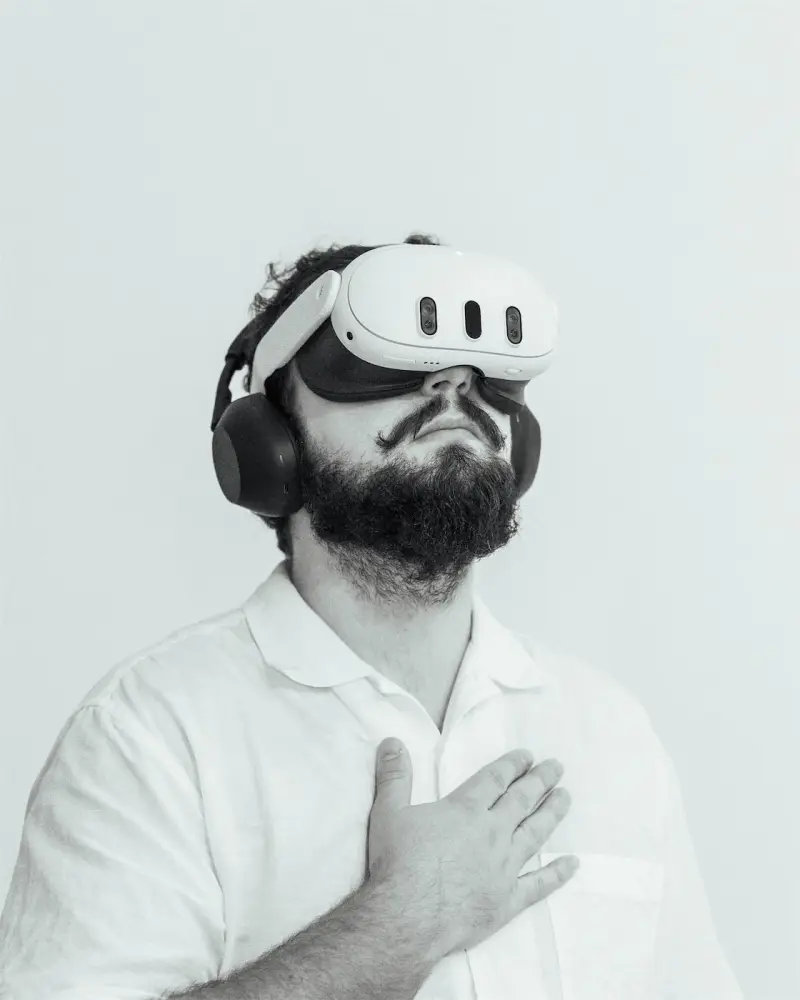
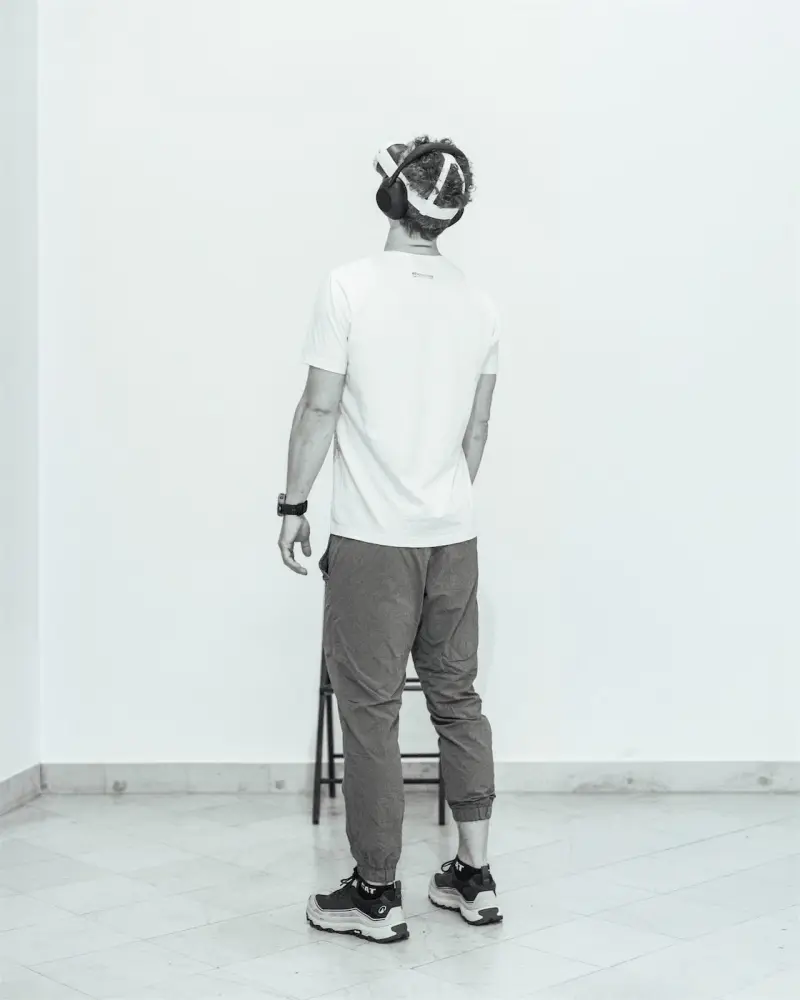
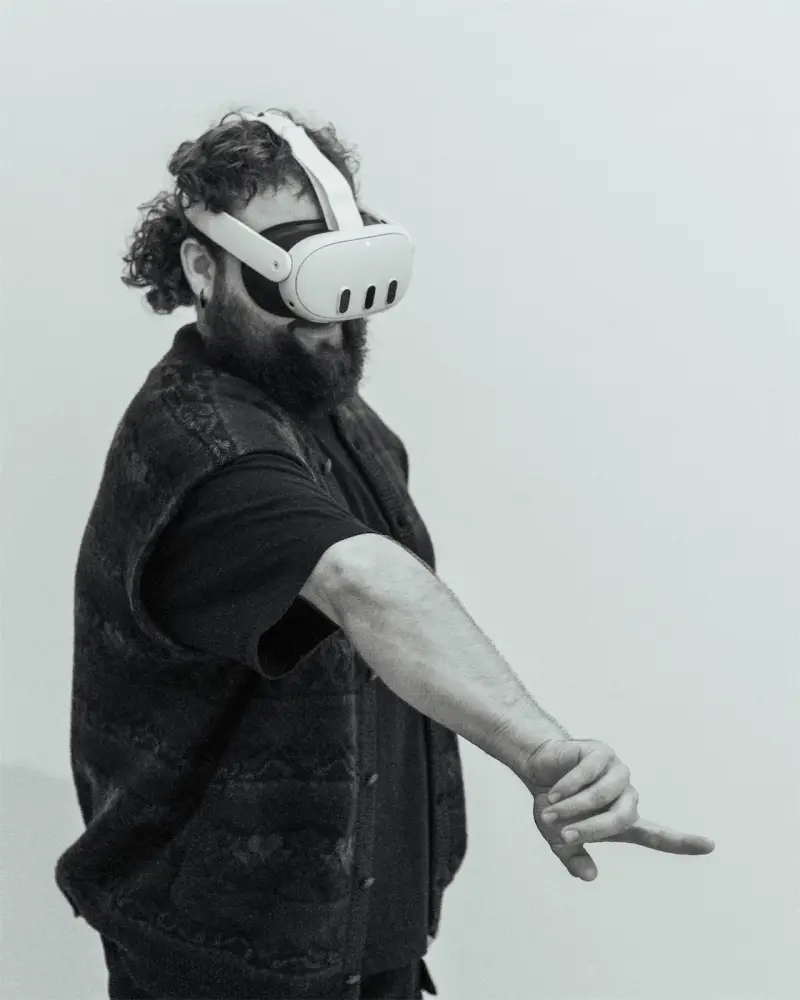
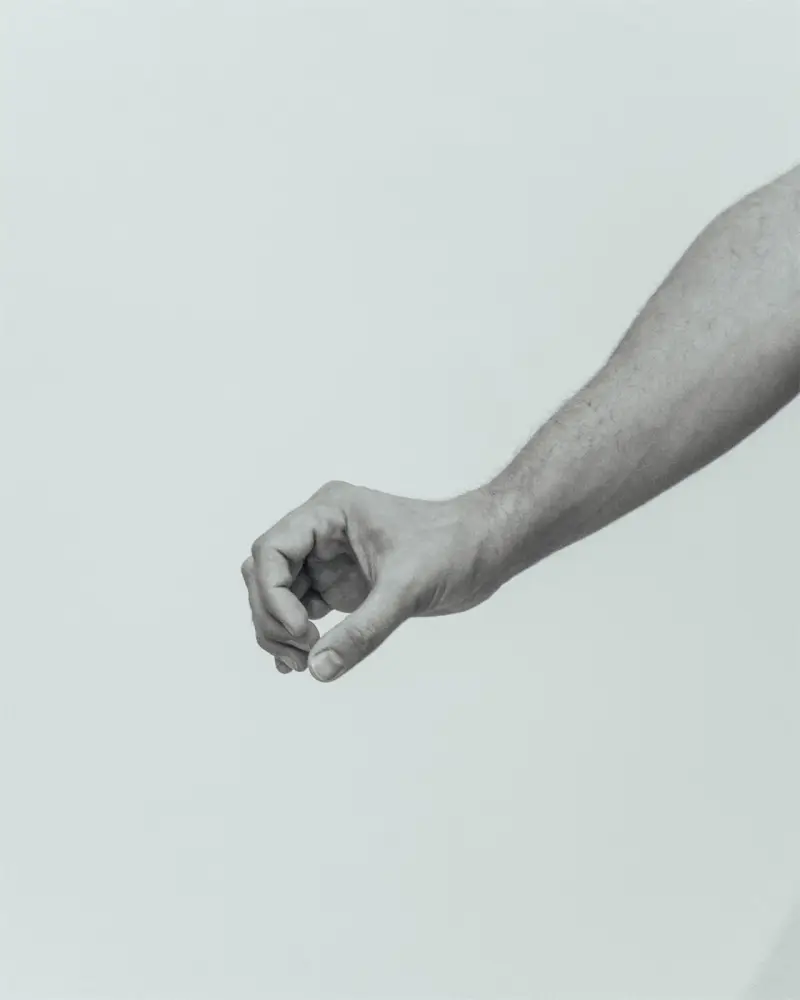
For decades you’ve only heard the tales of extra terrestrials from the Americans – little green men in flying saucers that abduct and probe the innocent.

02 / 03

But behind the Iron Curtain, UFOs also came to visit.

03 / 03

The tales of these encounters are unlike anything you’ve heard or seen before.

01 — ProductionTrailer↑ Top
02 — AboutPRL · 1970s↑ Top

Set in a 1970s brutalist building, CHANNELERS offers a unique VR experience where non-human guides help you escape oppressive reality and lead you from concrete prison to spiritual freedom. An electrifying blend of supernatural with anthropological.

FormatStandalone VR 6DoF
Duration25–30 min
EngineUnreal Engine 5
SettingSoviet era, UFO/UAP, non-human intelligence, dreamcore

9th Biennale College Cinema Immersive
La Biennale di Venezia 2025
Sunny Side of the Doc, La Rochelle 2025
Venice Production Bridge 2025

An immersive, 25–30-minute VR experience, set in Poland during the Soviet era, in which users embody a resident trapped in a brutalist apartment complex with seemingly no escape. Guided by a mysterious non-human intelligence through voice narration, users navigate through the building’s maze-like corridors where concrete walls transform into portals to supernatural phenomena. Each floor presents increasingly surreal conditions as reality begins to shift. The mundane Soviet architecture dissolves into dreamlike encounters as users ascend through the building. Entities from another dimension appear, offering hope and guidance toward freedom. Set within a dreamcore landscape, blending the supernatural with anthropological approach and personal testimonies, CHANNELERS invites you to escape reality in a transformative experience. Similarly to how the residents of the oppressive Polish People’s Republic system sought their escape from the grey reality in mysticism.

Night. Snow. A street between the blocks.

Concrete walls hide portals to the supernatural.

Each floor is stranger than the last.

In-engine footage · Unreal Engine 5
00:00 / 01:02

Ground floor

The lift is waiting.

Concrete. Fluorescent hum.

Going up

The higher you go, the less real it gets.

The doors close behind you.

Floor unknown

Someone is waiting upstairs.

The buttons stop making sense.

Last floor

The last floor is yours to see.

Only in VR.

03 — Team15 people↑ Top
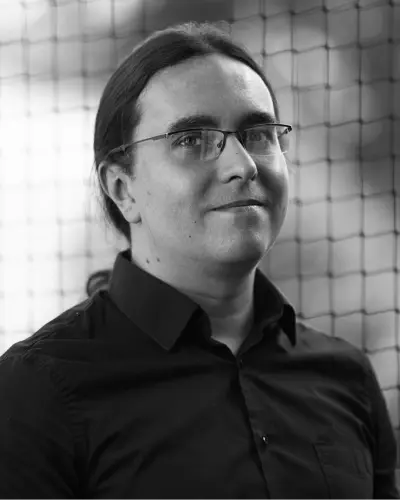
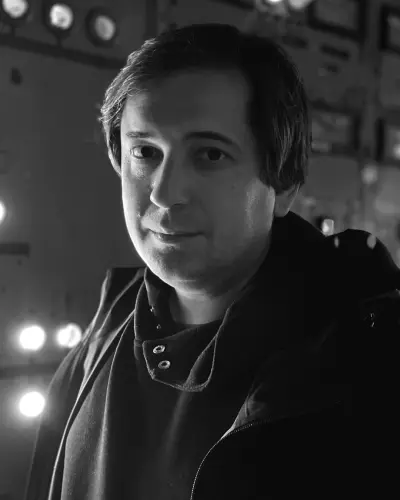
Portrait of Jakub Wróblewski

Jakub Wróblewski

Director

Bio

Interdisciplinary artist, director, and cinematographer. His work includes video, audiovisual storytelling, film theory, graphic narrative structures, immersive activities (VR experiences: Bardo and Lovestory), and art-and-science projects. The scope of his artistic exploration is multifaceted, and his artistic strategy is based on exploring and expanding the boundaries of the medium he is currently working with. Creator of the interactive adaptation of James Joyce’s Finnegans Wake — First We Feel Then We Fall, since 2017 his interests have shifted toward virtual reality, game engines, experiments with 3D technology, the problem of embodiment in VR, and aesthetics. He is a professor at the Academy of Fine Arts in Warsaw, where he works in the New Media Department, leading the 3D and Virtual Occurrences II graduate studio. Together with producer Anna Szylar, he participated in the 9th Biennale College Cinema Immersive | La Biennale di Venezia, reaching the finals. He has lectured in Poland, Belgium, India, England, Turkey, and Norway. Co-creator of the Virtual Occurrences Horizons portal.
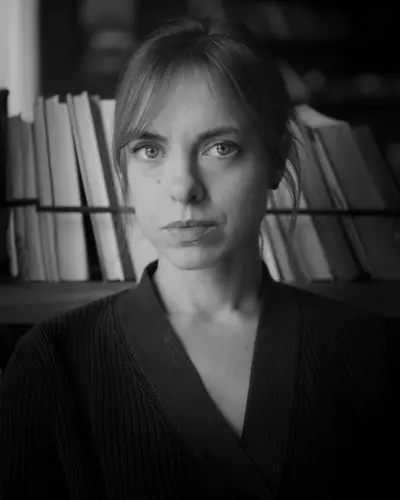
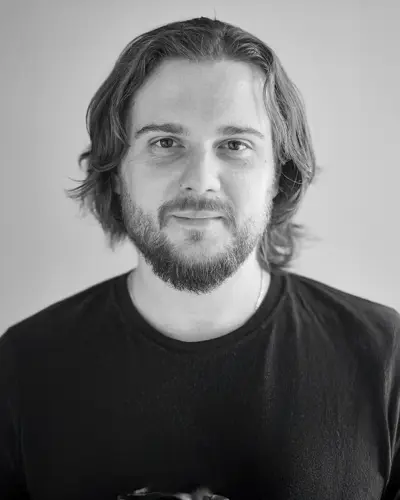
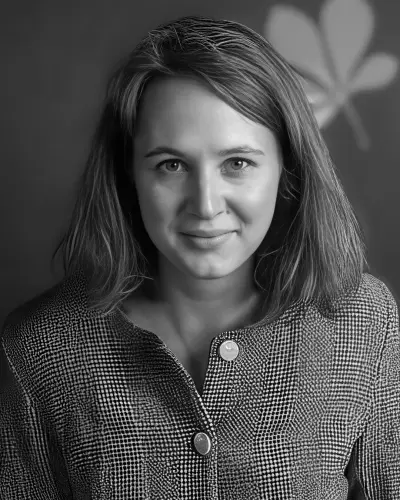
Portrait of Anna Szylar

Anna Szylar

Producer | Monster Mind Studio

Bio

Founder of Monster Mind Studio, curator and cultural manager with twelve years of experience in international collaboration in the field of immersive media. Initiator and curator of the Digital Cultures festival. An advocate and promoter of Polish art, whose recognition she built through partnerships with such festivals as the Venice Biennale Cinema Immersive, SXSW, MUTEK, Tribeca Film Festival, and Sheffield Doc Fest. From 2014 to 2020 she was affiliated with the Adam Mickiewicz Institute, and subsequently with the Visual Narratives Laboratory (vnLab), where she was responsible for VR distribution and international relations. She also works as a programming advisor and curator for immersive festivals, including IDFA Doc Lab and Millennium Docs Against Gravity.
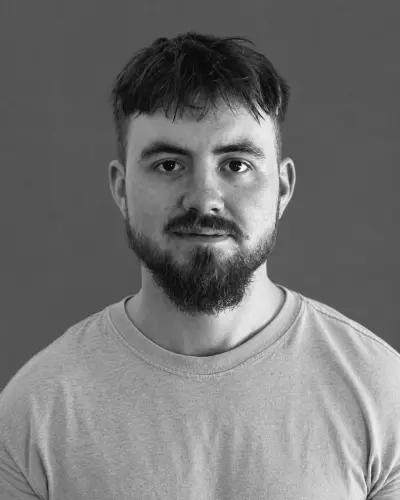
Portrait of Andrei Chodera-Isakau

Andrei Chodera-Isakau

VR Supervisor

Bio

Artist and lecturer specializing in 3D graphics, simulation, and computer games. He graduated from the Academy of Fine Arts in Warsaw, Faculty of Media Art. He has worked on several personal game projects, such as “Origami” and “Their Hearts, My Hands,” as well as commercial games like “Jimmy.” He conducts research on computer games in contemporary art and founded the scientific circle “Square Circle” dedicated to games, and previously the circle “Animagica” focused on interactive image creation. He completed the Game Dev School course and participated in the Games For Impact festival with the educational game “That’s Not Cool!”. He is a member of the artistic group INEXSISTENS. He exhibited the simulation “Tardigrada” at the “Planetary Consciousness” exhibition at the Arsenal Gallery in Bialystok, based on the behavior of microorganisms. He is a specialist in digital environments in virtual production, simulation, gaming engines, and VR. He teaches 3D graphics, modeling, virtual reality, and Unreal Engine 5 at the Faculty of Media Art. Currently, he is creating interactive art projects such as “Oracle,” “Block,” and “Route,” based on large language models.

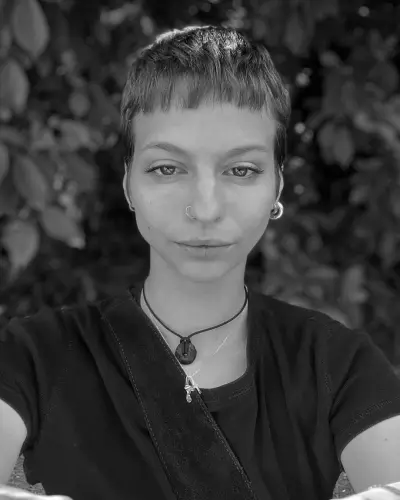
Portrait of Mateusz Kijewski

Mateusz Kijewski

Historian | Researcher

Bio

He has been developing new forms of presentation in Poland of world achievements in the field of broadly defined “ufology” since 2022. He covers such aspects of it as: scientific attempts to study anomalous unidentified phenomena, sociological and cultural impact of UAP/UFO perceptions on society, as well as the legacy of ufological historiography bringing closer the changes in perceptions of the phenomenon over 80 years of its presence in global consciousness. On the author’s website ufobezstereotypow.pl, he posts in-depth reviews of English-language publications and articles describing current events (e.g., the US Congress hearing, the NASA conference on UAP), as well as analyses of official government documents. He is the author and host of the Channel on UFOs on the Sekielski Brothers Studio media platform, where he publishes weekly authoritative analyses on current events, the most famous cases and concepts concerning attempts to explain the nature of the phenomenon as well as unmasked hoaxes and the influence of UFOs on pop culture. He is also a regular guest on the Ufological History Channel’s series “Arthurian Stories” by Artur Wojcik.

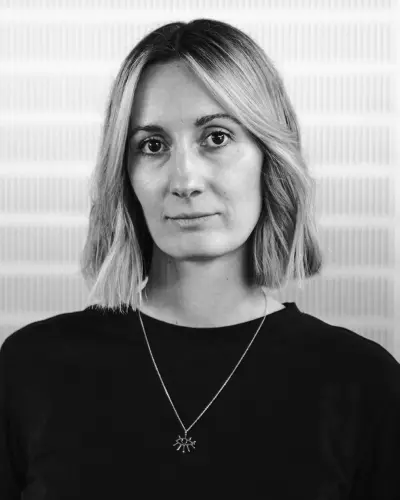
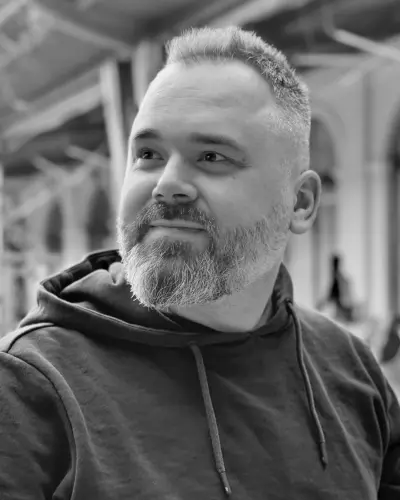
Portrait of Jacqueline Irene Horodyńska

Jacqueline Irene Horodyńska

Historian | Researcher

Bio

Art historian, architecture researcher, museum professional, and curator. A graduate of the Faculty of Management of Visual Culture at the Academy of Fine Arts in Warsaw. She participated in the exhibition “UpComing. Selected Diplomas of the Academy of Fine Arts 2021” and was awarded the main prize in the National Institute of Architecture and Urban Planning’s competition “Common Space is a Value” for the best theoretical works (2021). Since 2020, she has worked at her alma mater’s Museum, where she developed an educational program for children and youth, including inclusive programming for people with disabilities. Her current research focuses on the phenomenon of the Art and Research Workshops (ZAB) at the Warsaw Academy of Fine Arts. For years, she has been actively involved with the social initiative “Tu było, tu stało,” which focuses on Warsaw’s architectural heritage.

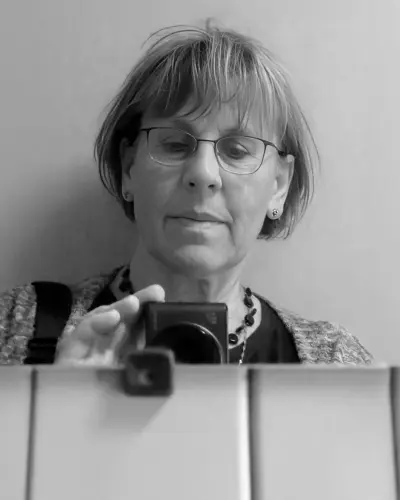
Portrait of Renata Motyka

Renata Motyka

Graphic design

Bio

Graphic designer and educator based in Warsaw, Poland. A graduate of the Academy of Fine Arts in Warsaw. Focuses on visual communication design and various types of editorial concepts, with a strong focus on typography and detail. Her work consistently explores the expressive potential of type in shaping visual narratives. Winner of the main award in the Visual Identity category at the Polish Graphic Design Award 2020.
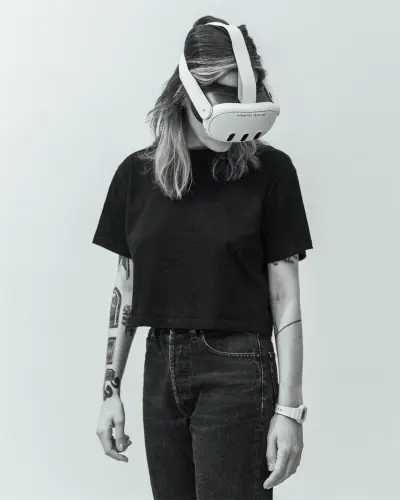
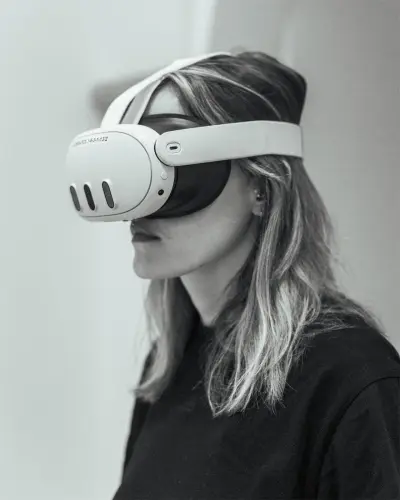
Collaborated with leading cultural institutions in Poland, including the Nowy Teatr in Warsaw, the Royal Castle in Warsaw, the Zachęta – National Gallery of Art, the Arsenal Gallery in Bialystok, BWA Wrocław, the Bunkier Sztuki in Kraków, and the Academy of Fine Arts in Warsaw. In addition to her design practice, she teaches at the Warsaw Film School.

Portrait of Dorota Błaszczak

Dorota Błaszczak

Sound supervisor

Bio

She works at Chopin University of Music and in Polish Radio Archives in Warsaw and teaches courses on interactive sound, works with sound preservation, carries out long-term ecoacoustic observations. She creates sound and audiovisual compositions (including Augmented Radio Listening (2017), Inherited Sounds (2019), Impulse Responses (2023), Dry Rain (2025)) and interactive projects (including Waves of Remembrance (2016), Daily Data Orchestra (2019), Fields of Sound (2022)) as tools for listening to databases, radio archives and nature.

She worked with sound production for film, dubbing, contemporary music concerts and sound restoration. Dorota has been sound designer for virtual reality projects in Canada, at the Banff Centre for the Arts, Softimage and Immersence (including Lawrence Paul Yuxweluptun’s Inherent Rights, Vision Rights (1992), Perry Hoberman’s Bar Code Hotel (1993), Char Davies’s Osmose (1995) and Ephemere (1998, remastered 2022)). She also designed sound for early computer games (including Street Rod, Tunnels of Armageddon, Rings of Zilfin (1986–1990)).

Portrait of Marta Gospodarek

Marta Gospodarek

Audio interaction

Bio

Marta is a sound designer and researcher working at the intersection of sound, space, and perception. Fascinated by the relationship between what we hear, what we feel, and what we perceive as real, her work moves between artistic exploration and scientific inquiry.

Working across virtual and augmented reality, immersive audio, and experimental sound design, she approaches sound as an essential part of world-building, exploring how it shapes our perception of space, creates a sense of presence, and blurs the boundaries between physical and virtual reality.

Marta has served as Lead Sound Designer on several XR projects presented at international festivals, including Tribeca and Cannes XR. Her artistic practice is informed by research into spatial hearing and perceptual plausibility. She holds a Ph.D. in Music Technology from New York University and has conducted spatial audio research at IRCAM in Paris.

She is currently an Assistant Professor at the Fryderyk Chopin University of Music in Warsaw.

Portrait of Igor Szymański

Igor Szymański

Audio interaction

Bio

Igor Szymański is a sound engineer and recording producer, a graduate and assistant professor at the Sound Engineering Department of the Fryderyk Chopin University of Music in Warsaw. He records contemporary music for DUX, NIFC, Chopin University Press and Sarton, among others. Several of his albums have been nominated for the Polish Phonographic Academy Award (Fryderyk). Alongside his studio work, he programs and designs interactive audio as Audio Programmer and Lead Sound Designer at SolidGames, and contributes to interdisciplinary art projects.

Portrait of Stefan Węgłowski

Stefan Węgłowski

Composer

Bio

Composer, producer, live performer. The works by Stefan Węgłowski mainly include compositions for small ensembles and solo instruments. He uses minimalist and spectral techniques, combining them with the broader area of electronic music – seeking connections between timbre, sound intensity, and its processing through new technologies and spatial structures. Album releases by: KAIROS, GLACIAL MOVEMENTS, POSH ISOLATION /Ribbons/.

Portrait of Pavel Lukashevich

Pavel Lukashevich

QA tester

Bio

Producer with 10 years of experience in interactive and immersive projects. He leads multidisciplinary teams and oversees production, ensuring high-quality results and on-time delivery across the creative, educational, healthcare, and entertainment sectors.

Portrait of Mitya Sorkin

Mitya Sorkin

QA tester

Bio

After several years in the film and TV industry, Mitya has been producing immersive experiences since 2014, contributing to dozens of projects across art, marketing, advertising, education, and entertainment. His work has been featured in Biennale College Cinema VR and Cannes XR. Mitya has participated in the European Creators’ Lab in Germany three times. In 2023, 2025 and 2026, he took part in the IMPULSE and BOOSTER programs and pitched at Stereopsia, United XR and Immersive Tech Week.

Portrait of Mateusz Wolniaczyk

Mateusz Wolniaczyk

3D modeling

Bio

He has been working with 3D graphics for several years, using the medium as a tool for exploring the boundaries of artistic expression. He is particularly drawn to creating abstract visual forms. Animation plays a significant role in his practice, allowing him to bring greater dynamism and expressive depth to his work.

In 2024, he graduated with distinction from the Faculty of Media Art at the Academy of Fine Arts in Warsaw, earning his Bachelor’s degree with the Rector’s Honors. Two years later, he completed his Master’s degree at the same faculty.

He works with industry-standard 3D software, including Blender, ZBrush, and Houdini. Constantly seeking new artistic challenges, he draws inspiration from both the physical and virtual worlds. He is particularly interested in emerging technologies and the ways they can be used as tools for artistic expression.

Portrait of Agnieszka Suchocka

Agnieszka Suchocka

UE artist

Bio

She is specialising in 3D visualization and game engines. In her artistic practice, she focuses on exploring the essence of bio art and new technologies. By exploring these two fields, she seeks to better understand the impact that new technologies have on creative processes and ways of perceiving art. She holds a master’s degree from the Faculty of Media Art at the Academy of Fine Arts in Warsaw, where she graduated with the Rector’s Distinction. Since 2021, she has been working as a 3D graphic artist at virtual production studios, creating virtual environments used in film productions. She presented her thesis, titled “Let’s Not Be Afraid of Birdsong,” which she created in Prof. Łukasz Kosela’s Audiovisual Studio, at the Warsaw Autumn Festival (2023).

Portrait of Piotr Wardyński

Piotr Wardyński

UE programmer consultant

Bio

Piotr’s interest in programming and video games started very early — he wrote his first piece of code at just four years old, and spent his entire youth fascinated by video games and how they are built. This lifelong passion naturally led him to study Computer Science at Wrocław University of Science and Technology, specialising in Software Engineering.

Over the years, Piotr has worked across many different areas of IT, including software development, network and system administration, as well as many other areas of IT. He has also gained extensive experience managing complex projects and leading IT teams, giving him a strong understanding of how to plan, build, and deliver solutions in a real business environment.

In 2016, he decided to develop his game dev skills further and graduated from GameDevSchool. Since then, he has worked with several game engines, including Unity, Unreal, Godot, and Defold. His experience covers both his own indie projects, such as Jimmy, and developing specific mechanics and systems for clients on PC and mobile platforms.

Piotr brings together a broad IT background, business experience and years of hands-on development with a genuine passion for game development. This combination gives him a wide perspective – he understands both how things are built and how they need to work in the real world.

Director
Jakub Wróblewski
Executive Producer
Anna Szylar | Monster Mind Studio
Historian & Researcher [UFO]
Mateusz Kijewski
Historian & Researcher [Design]
Jacqueline Horodyńska
VR Supervisor
Andrei Chodera-Isakau
UE Programmer Consultant
Piotr Wardyński
UE Programmer
Jakub Pietrzak
Programming Support
Denis Davydov | Feeling Digital
QA Tester
Mitya Sorkin | Feeling Digital
QA Tester
Pavel Lukashevich | Feeling Digital
UE Artist
Agnieszka Suchocka
3D Artist
Maja Lisowski
3D Artist
Mateusz Wolniaczyk
Audio Interaction
Marta Gospodarek | Igor Szymański
Voice Generation
Jacek Nagłowski
Sound Supervisor
Dorota Błaszczak
Composer
Stefan Węgłowski
Narrative Support
Piotr Marzec
Graphic Designer
Renata Motyka
Drawings
Lea Wróblewska
Poznań Supercomputing and Networking Center
Jan Skorupa | Paweł Sołoducha

Special thanks

  • Olga Wysocka | Patryk Laban
  • Bronisław Rzepecki | Krzysztof Piechota
  • Mateusz Kijewski | Marta Dużbabel
  • Michele Reilhac | Max Salomon
  • Jakub Celej | Weronika Pawlak
  • Monika Szewczyk | Eliza Urwanowicz–Rojecka
  • Sara Szostak | Marta Grytczuk
  • Jakub Depczyński | Marta Michalak
  • Weronika Adamowska
  • Jaśmina, Zoja, Lea Wróblewskie
  • Agata Chodera-Isakau
  • Museum of the Academy of Fine Arts in Warsaw
  • Museum of Modern Art in Warsaw
  • Arsenal Gallery in Bialystok
  • U-Jazdowski

A project developed as part of
the Biennale College Cinema Immersive · La Biennale di Venezia

La Biennale di Venezia · Sunny Side of the Doc 2025 · Venice Production Bridge 2025

The selected narratives that inspired the work are based on the following publications:
Bronisław Rzepecki | Bliskie spotkania z UFO w Polsce | 1995
Krzysztof Piechota, Bronisław Rzepecki | UFO nad Polską | 1996

Closed test screening.

First test screenings · U-jazdowski, Warsaw

04 — Tests↑ Top

tests

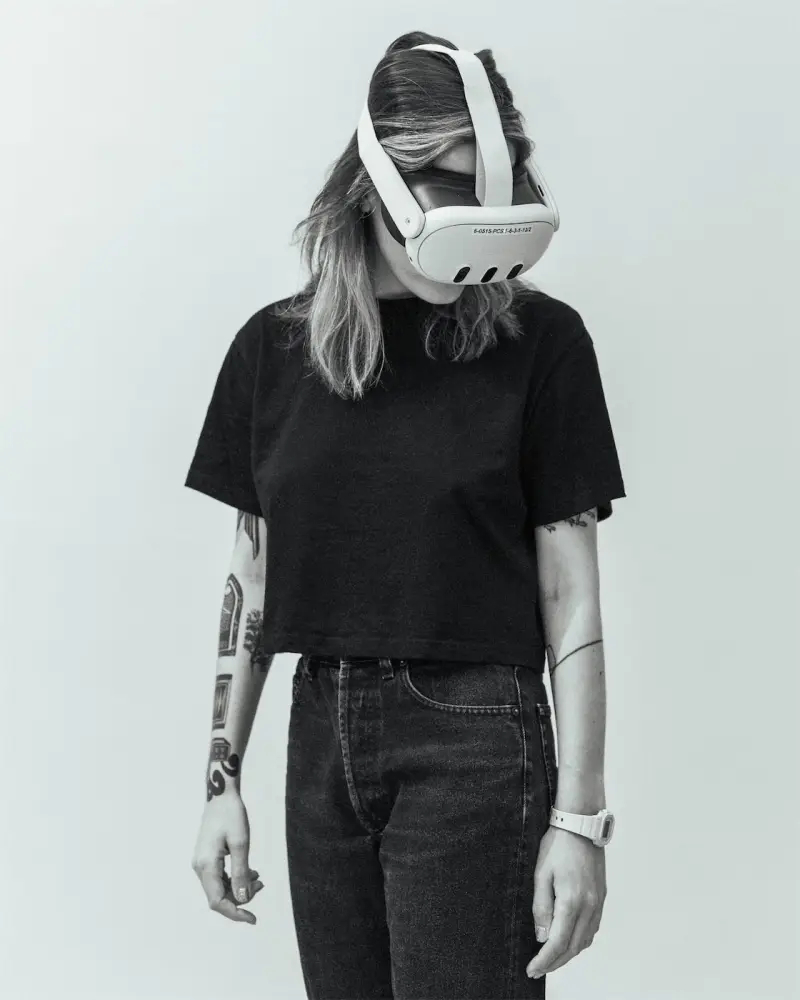
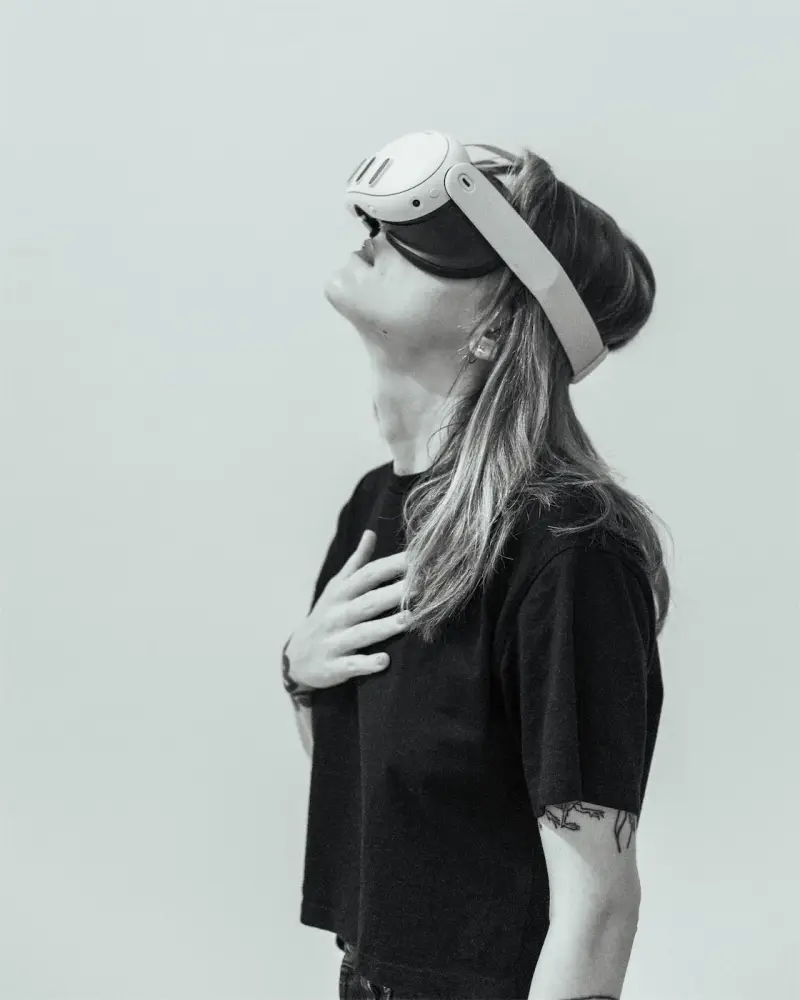
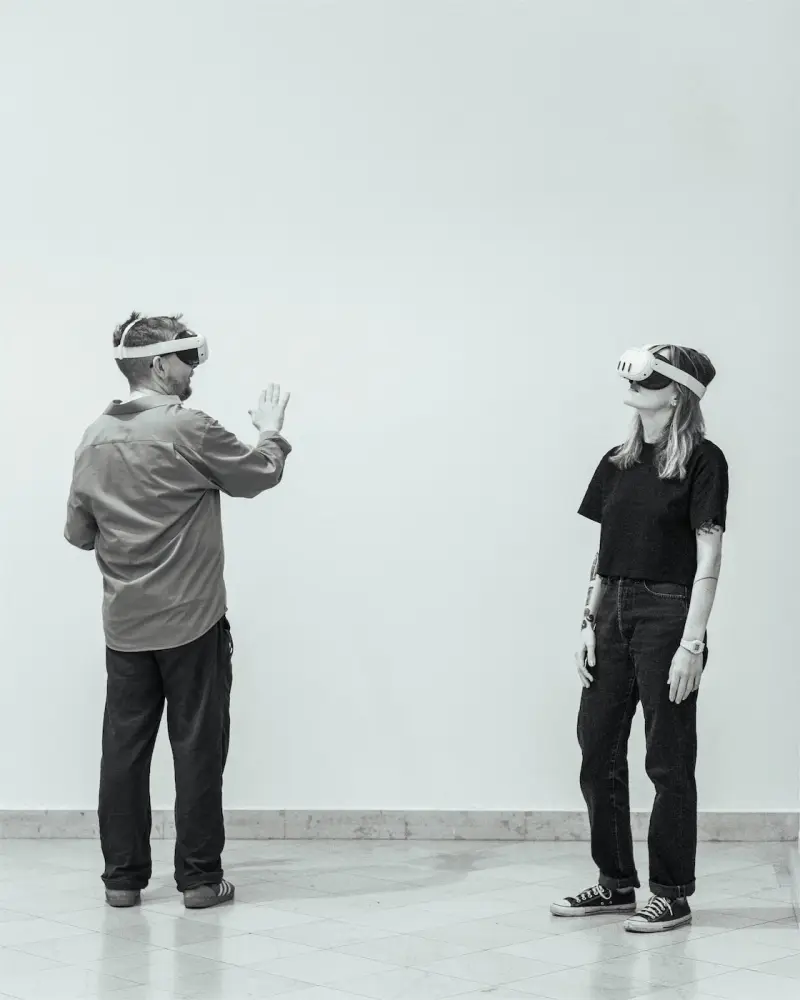
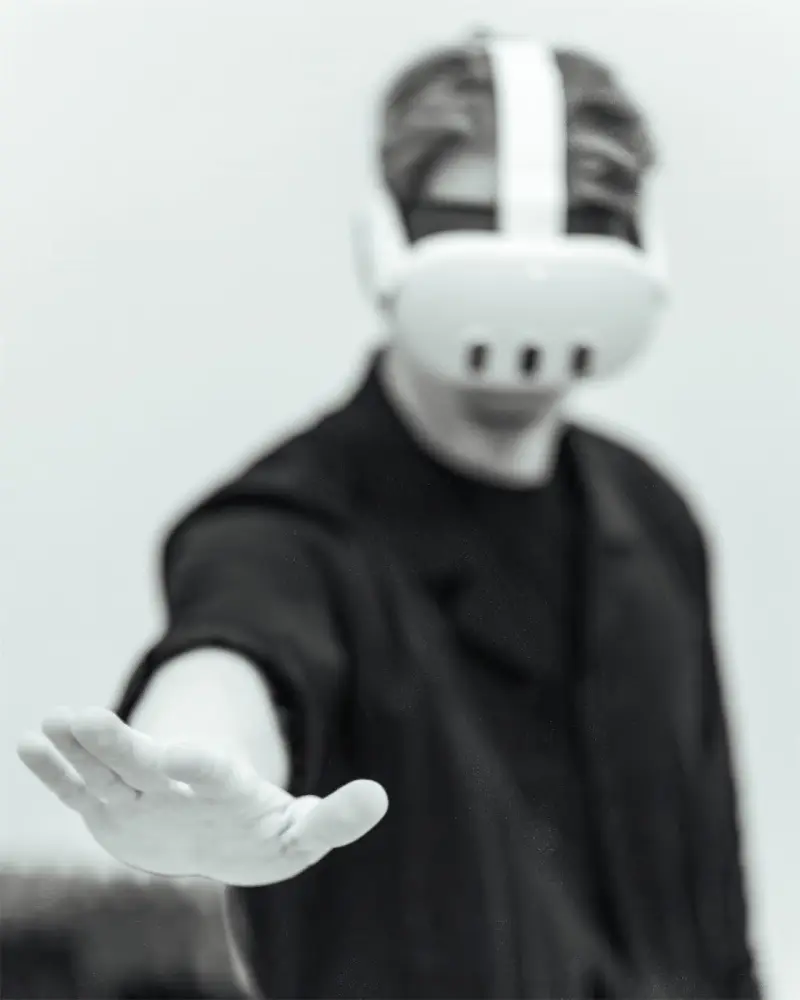
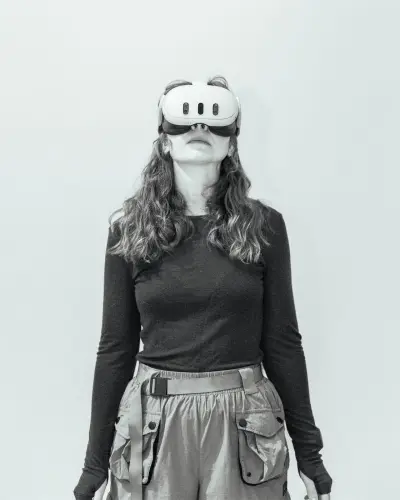
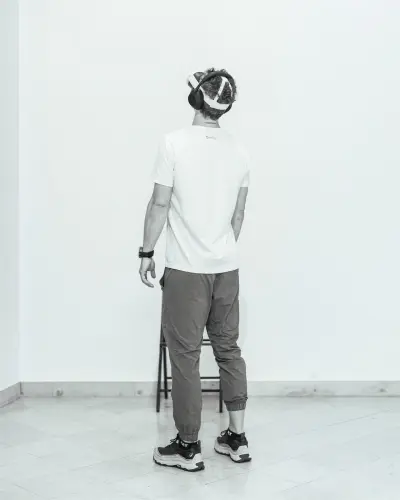
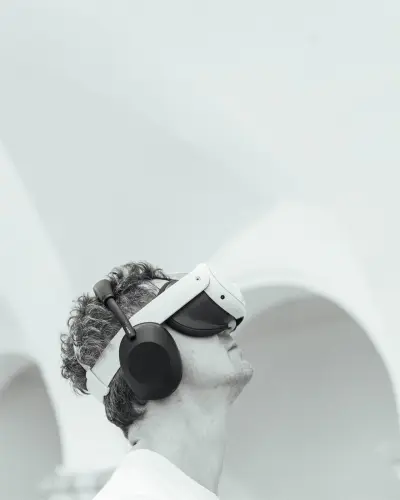
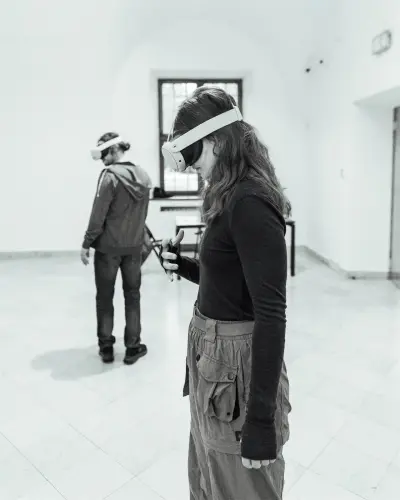
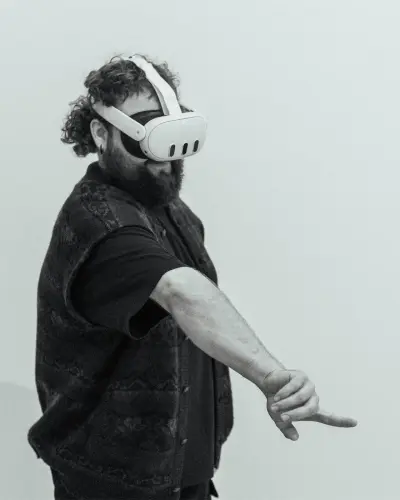
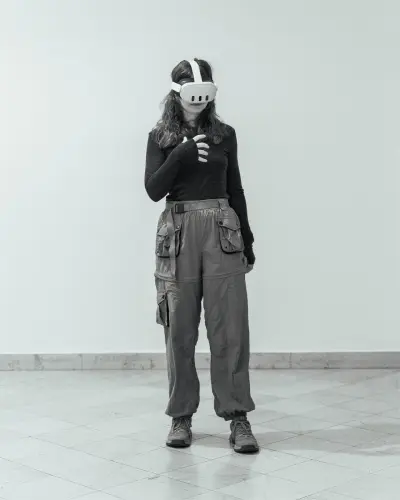
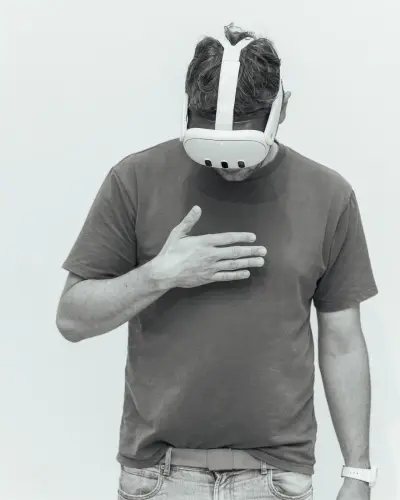
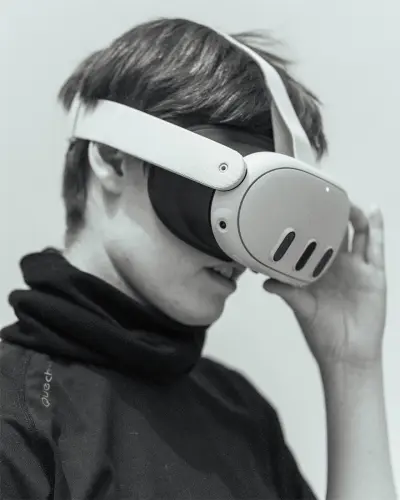
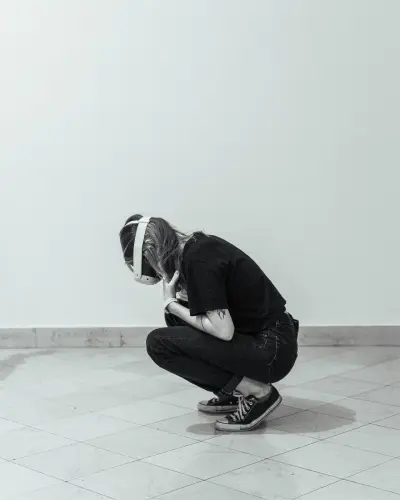
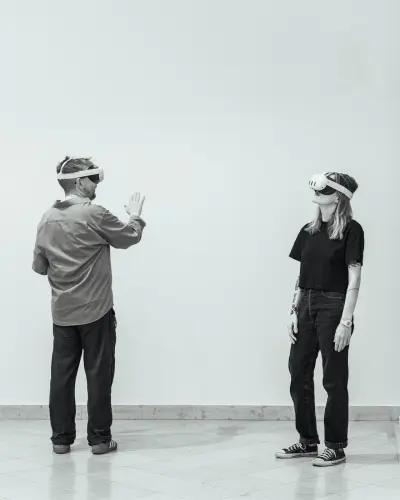
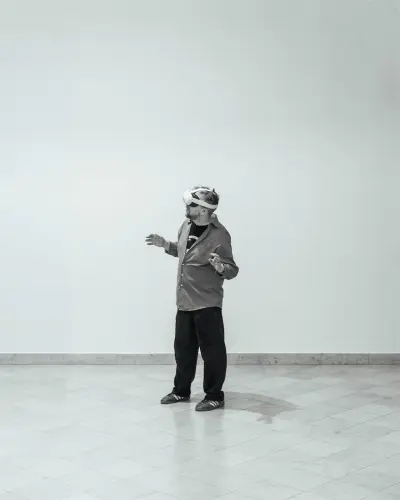
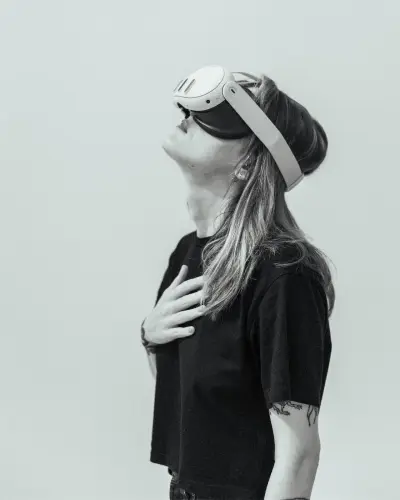
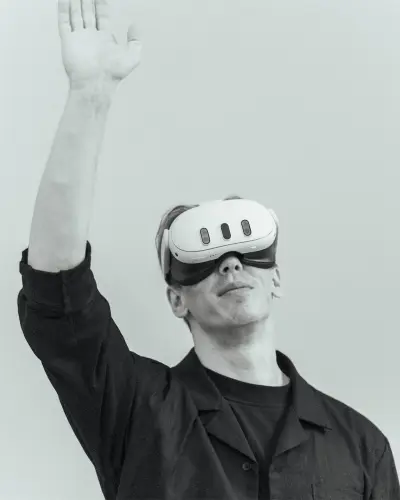
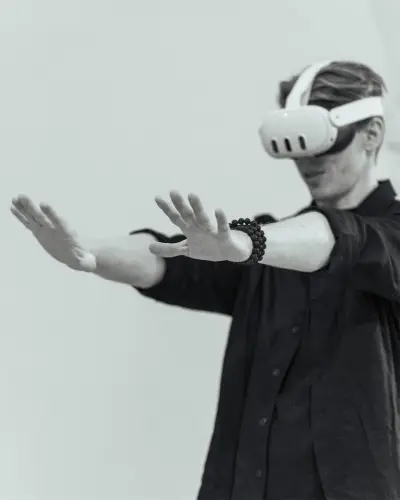
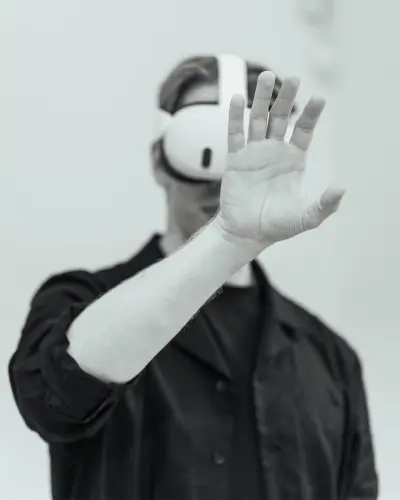
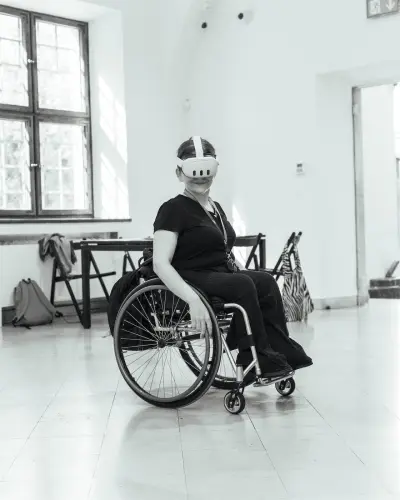
The prototype has met its first audience. CHANNELERS ran its first closed test screenings at U-jazdowski, Warsaw — 50 participants, 25 minutes each.

Test screening, photo 1
01 — U-jazdowski, Warsaw
Test screening, photo 2
02 — U-jazdowski, Warsaw
Test screening, photo 3
03 — U-jazdowski, Warsaw
Test screening, photo 4
04 — U-jazdowski, Warsaw
Test screening, photo 5
05 — U-jazdowski, Warsaw
Test screening, photo 6
06 — U-jazdowski, Warsaw
Test screening, photo 7
07 — U-jazdowski, Warsaw
Test screening, photo 8
08 — U-jazdowski, Warsaw
Test screening, photo 9
09 — U-jazdowski, Warsaw
Test screening, photo 10
10 — U-jazdowski, Warsaw
Test screening, photo 11
11 — U-jazdowski, Warsaw
Test screening, photo 12
12 — U-jazdowski, Warsaw
Test screening, photo 13
13 — U-jazdowski, Warsaw
Test screening, photo 14
14 — U-jazdowski, Warsaw
Test screening, photo 15
15 — U-jazdowski, Warsaw
Test screening, photo 16
16 — U-jazdowski, Warsaw
Test screening, photo 17
17 — U-jazdowski, Warsaw
Test screening, photo 18
18 — U-jazdowski, Warsaw
Test screening, photo 19
19 — U-jazdowski, Warsaw
Test screening, photo 20
20 — U-jazdowski, Warsaw
Test screening, photo 21
21 — U-jazdowski, Warsaw
Test screening, photo 22
22 — U-jazdowski, Warsaw
Test screening, photo 23
23 — U-jazdowski, Warsaw
Test screening, photo 24
24 — U-jazdowski, Warsaw